
Mediterranean Wedding Flowers: A Seasonal Guide

Choose Cyprus wedding flowers by season, from spring anemones to heat-tolerant summer blooms and winter greenery, with real florist costs.
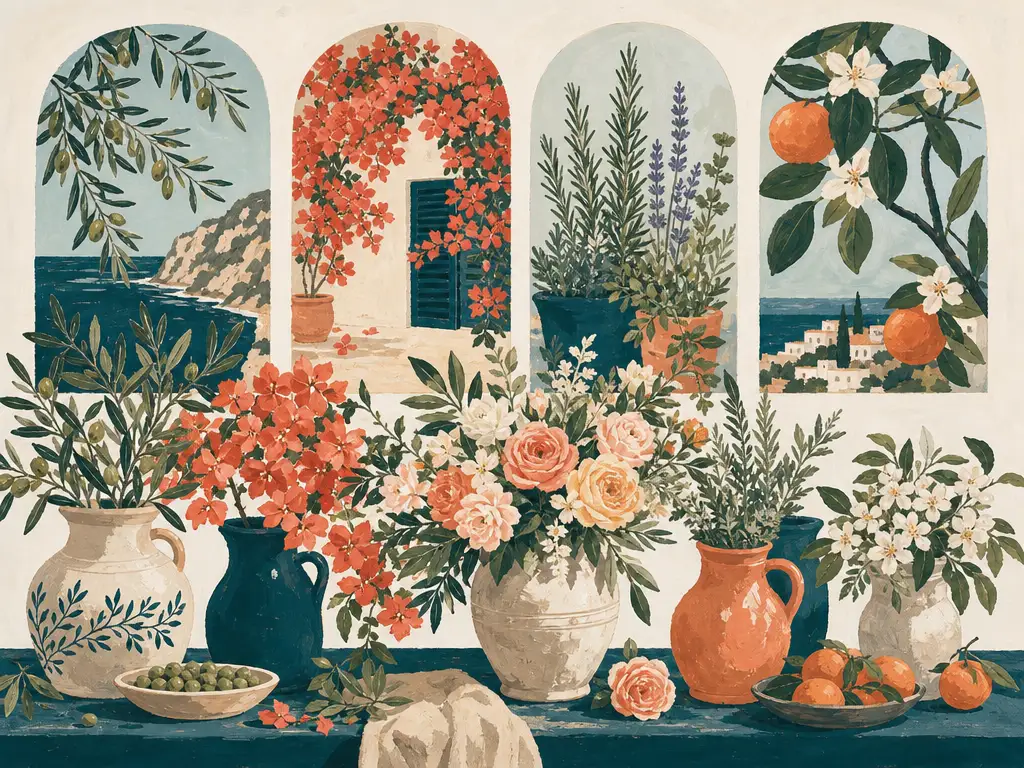
The flower that looks perfect in a Pinterest bouquet can collapse by the time you cut the cake. In a Cyprus July, a midday coastal ceremony runs at 32-34C, and delicate blooms wilt within the hour. Choosing by season, and knowing what a florist can actually source in the month you marry, is how you get arrangements that survive the day and stay inside a sensible budget.
Most Cyprus wedding stock is a mix: roses, carnations and chrysanthemums grown locally or trucked in through the Dutch auction system, plus specialist blooms imported to order. Season affects both price and hardiness. In-season, locally grown flowers cost less and travel better than something flown in out of season, so the closer your choices track the month, the more you get for your money.
Use our complete guide to weddings in Cyprus to place the florist choice inside the wider season, budget and supplier timeline, and browse florists who work with UK couples.
Spring blooms (March - May)
Spring is the island’s richest flower season and pairs with the most popular wedding months. Anemones (February to April), ranunculus and lisianthus give florists soft, romantic shapes in whites, corals and deep reds. Citrus and olive blossom add scent, and olive branches make a hardy, low-cost greenery that reads as classically Cypriot.
You will see the endemic Cyprus tulip and the wild Cyprus cyclamen (Cyclamen cyprium, the island’s national plant) if you walk the Akamas or Troodos in spring, but both are legally protected and cannot be picked, so treat them as scenery, not stems. A florist will reach for cultivated ranunculus and anemones for the same look.
Summer selections (June - August)
This is the hardest season for flowers and the one where the wrong choice shows. Skip hydrangeas and peonies for anything outdoors: their large, water-hungry heads wilt fast in heat and hold up only in shade or air conditioning. Lean on genuinely heat-tolerant blooms instead: garden roses, lisianthus, alstroemeria, orchids, calla lilies, carnations and dahlias all keep their shape through a long, hot day.
Mediterranean staples earn their place here too. Lavender, rosemary and eucalyptus bring scent and structure and shrug off the sun, and bougainvillea works as a venue and backdrop flower even if it is too fragile to cut into a bouquet. In bright midday light, bold corals, fuchsias and yellows read better than pale pastels, which can wash out on camera.
Autumn abundance (September - November)
Autumn is the other prime wedding window, with cooler evenings and a warm palette. Chrysanthemums, dahlias and late-season roses give deep reds, burgundies and burnt oranges. Grape vines, olive branches and seed heads suit vineyard and rustic receptions, and the drop in venue prices from October onwards frees up budget you can put into the flowers.
Winter wonders (December - February)
Cyprus winters are mild, so greenery stays plentiful: pine, cypress and eucalyptus give you structure at low cost. Cyclamen and narcissus flower in the cooler months, and cultivated ranunculus, anemones and roses fill in colour. This is the cheapest season for both venues and flowers, and imported tulips or daffodils add a lighter note if you want them.
Beat the heat: timing and handling
The variety matters less than how the flowers are handled on the day. A few things to agree with your florist upfront:
- Ask for delivery two to three hours before the ceremony, not the night before. Bouquets left out overnight rarely last.
- Keep arrangements in shade or air conditioning until the last moment. Direct sun accelerates wilting, it does not revive.
- For a July or August ceremony, ask whether stems sit in hidden water tubes and whether centrepiece foam is fully soaked.
- Book a bridal party bouquet trial or photos of a recent real wedding so you see how the blooms hold up, not a styled studio shot.
What Cyprus wedding flowers cost
Cyprus is cheaper for flowers than the UK, where a bridal bouquet alone often runs £150-250. On the island, a bridal bouquet typically lands around £65-130 (roughly €75-150), with simple rose or lily posies at the lower end. Remember Cyprus adds 19% VAT, so confirm whether quotes include it.
Bigger items add up fast. A ceremony arch runs from around £730 (€850) and climbs for premium designs, and ceremony décor packages that bundle the registration table, chairs and the bride’s bouquet start near £225 (€263). Seasonal, locally grown choices are the single biggest lever on the total: an in-season rose or lisianthus arrangement costs far less than the same design built from out-of-season imports. Set the flower budget alongside the rest of the day in our Cyprus wedding budget guide.
When to book, and who to book
Good florists in Paphos, Limassol and the east book out for peak months (May, June, September and October) well ahead, so confirm yours 8-12 months out, at the same time as the venue. Most Cyprus wedding florists run remote consultations by video call and coordinate directly with your venue, which matters when you cannot pop in for a fitting. If your dates are still open, when to marry in Cyprus covers how the season shapes weather, prices and, as here, what your florist can source.
Work with a local florist who knows the island’s growing seasons, heat and transport times. Match the blooms to the month and the venue, and they will still look their best when the photographer lines up the group shot.
Keep reading

Photography
Cyprus Wedding Photography Styles: Editorial, Documentary, Fine-Art
Most photographer style names mean nothing - 'editorial' and 'documentary' are sold as the same product. Here's how to actually tell the styles apart, with what each looks like in Cyprus light.

Photography
Capturing Your Cyprus Wedding: Photography Tips and Location Ideas
Plan Cyprus wedding photos around golden hour, coastal locations, village streets, weather backups and local permits.